From Oxford to Shenzhen
Sometimes the hardest distance to cross from the lab to production is just 40 microns. Forbes China’s BrandVoice feature on Shenzhen InnoX Academy follows young deep-tech founders as they go from identifying a need to delivering a product. Ensuring founder Hou Ningzhe is one of them.
After returning to China from the Oxford Robotics Institute in 2024, Hou began developing robotic tactile sensors in Shenzhen. The sensing approach had been studied for years, but existing equipment could not manufacture a three-dimensional layer with 40-micron precision at scale.
From micron-scale structures to production
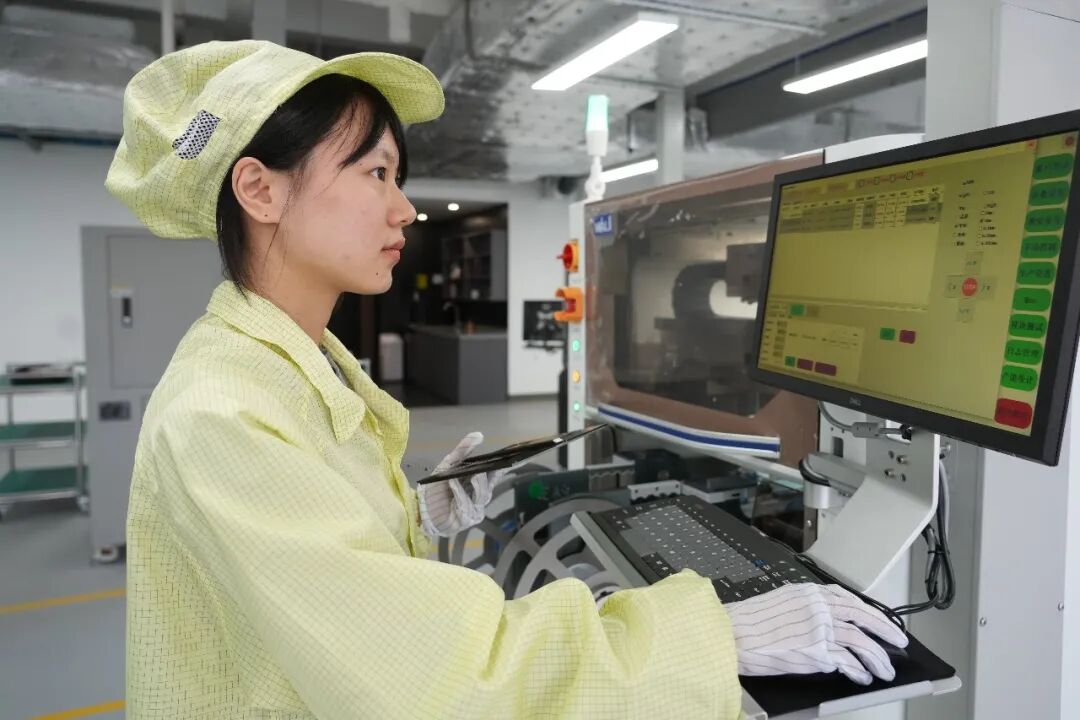
The team built and modified its own equipment, spending about six months on trials and setbacks before solving the process problem. Ensuring’s automotive-grade multidimensional tactile sensor line went into operation in August 2026. The company has since entered volume delivery projects with robotics customers in China and overseas. Its portfolio spans Tacta sensors, HexSkin electronic skin and the Magic Glove data collection glove, with continued support from financial and industrial investors.
Moving from research to entrepreneurship means taking on the work of making a technology repeatable and delivering it reliably. For Ensuring, that progress shows up in the products that incorporate its sensors and the production lines that build them.
Expanding overseas
Having completed small-batch sampling and validation, Ensuring’s automotive-grade line has moved into volume shipments for selected dexterous-hand, humanoid robotics and data collection customers. Germany’s NEURA Robotics is among its customers. Hou said the company plans to draw on its industrial shareholders’ global channels and establish an overseas operation as it prepares to enter North America.