Why Shenzhen
In an interview with The Chosun Daily reporter Lee Beul-chan, Ensuring founder Hou Ningzhe traces his route from robotics research at Oxford to starting a company in Shenzhen. He explains how nearby suppliers in materials, electronics and mechanical design help the team source parts and test design changes quickly.
From a sensing method to a production process
Hou describes how the team applied semiconductor manufacturing techniques to spatially encoded multidimensional piezoresistive sensing. Its dense arrays measure the magnitude and direction of force, giving robot hands information about changes such as slipping. The interview cites up to 361 sensing points per square centimeter and sampling at up to 1,000 Hz.
The article also examines the role of the component supply chain, manufacturing costs and access to capital. It reports that Ensuring built capacity to produce five million sensors a year.
Why demonstrations need force data
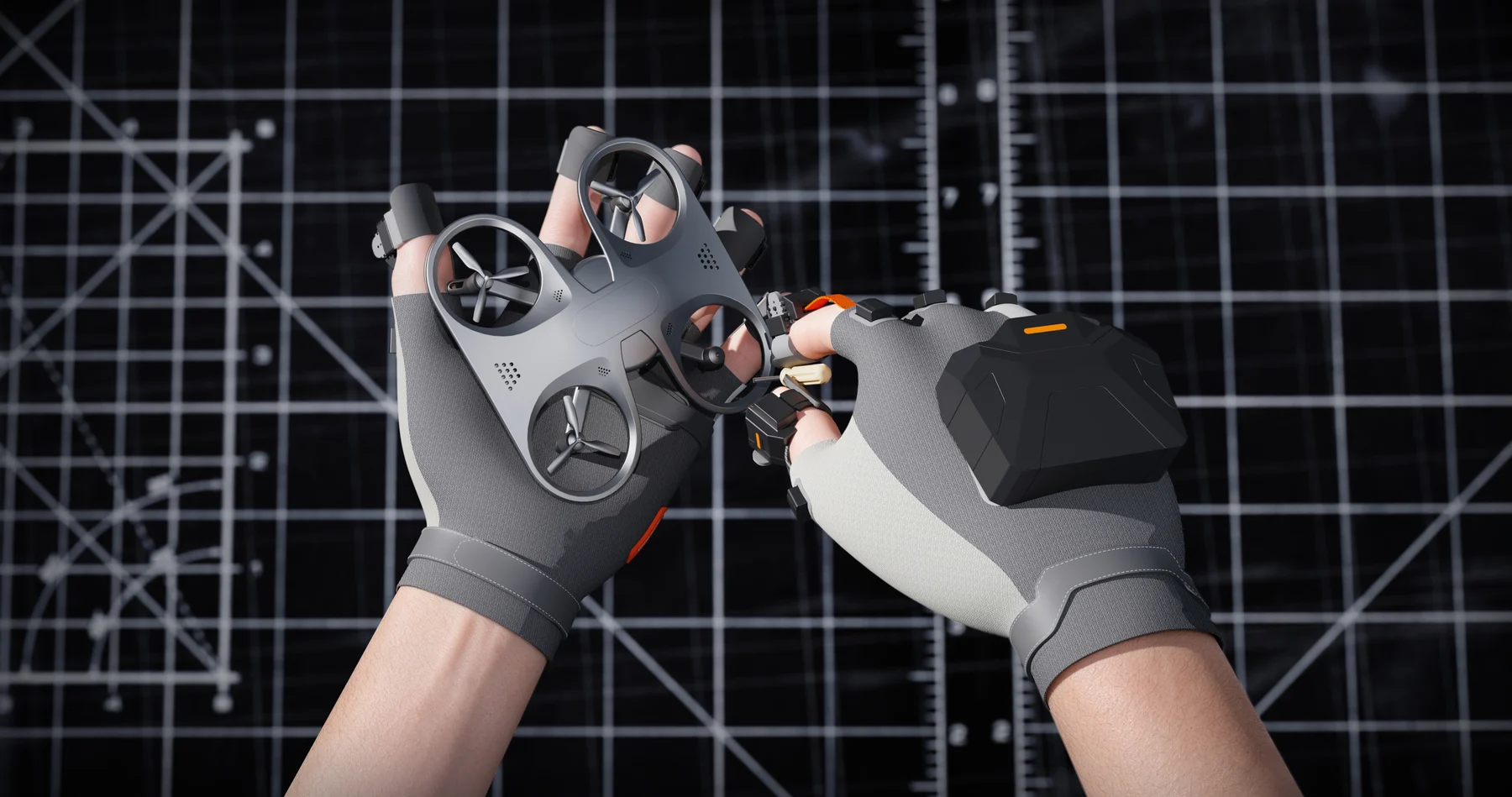
The interview discusses two uses for tactile sensing, one in robot hands and humanoid hardware and another in data collection. Video can show how a hand moves, but it rarely captures the force applied while handling an object. Magic Glove illustrates how motion and applied forces can be recorded during the same task.
Training for unfamiliar tasks
Hou argues that varied demonstrations can show whether a robot can transfer a skill, such as grasping or adjusting force, to an unfamiliar task. In cooking and household work, he emphasizes reliable task completion and the potential for tactile feedback to improve it. The interview also notes the open question of how to turn more tactile measurements into better model performance.